

Genetic hearing loss
Hearing loss can occur for many reasons — aging, noise exposure, illness, and more. Another important cause is genetic hearing loss, which means changes in certain genes affect how the inner ear develops or functions. Genetic hearing loss can present at birth or develop later in life, and understanding it can help with diagnosis, treatment, and family planning.
Genetic Hearing Loss: Causes, Common Genes, and What You Should Know
What Is Genetic Hearing Loss?
Genetic hearing loss occurs when a person inherits changes (mutations) in genes that affect hearing. These genetic changes can be passed down from one or both parents and may cause hearing loss by disrupting the structures of the inner ear, the auditory nerve, or how sound signals are processed by the brain.
Not all genetic changes lead to hearing loss, but many do, and genetic hearing loss can be:
Present at birth (congenital)
Progressive (worsens over time)
Associated with other health conditions (syndromic)
Occurring alone without other symptoms (non‑syndromic)
Genetic hearing loss accounts for roughly 50–60% of congenital hearing loss cases in children. (1)

Common Genes Linked to Hearing Loss
Many genes play a role in hearing, but a few are among the most frequently identified in genetic hearing loss:
1. GJB2 (Connexin 26)
The GJB2 gene is one of the most common causes of non‑syndromic genetic hearing loss worldwide. Mutations in this gene affect proteins that help cochlear cells communicate, leading to hearing loss. (2)
2. SLC26A4 (Pendrin)
Changes in SLC26A4 are associated with Pendred syndrome and non‑syndromic hearing loss. This gene is involved in ion transport in the inner ear, and mutations can cause hearing loss often accompanied by balance issues. (3)

3. MYO7A: The MYO7A gene is linked to Usher syndrome type 1B, a condition that causes hearing loss and progressive vision loss due to retinitis pigmentosa. (4)
4. TECTA: Mutations in TECTA affect the tectorial membrane in the cochlea, causing a type of non‑syndromic hearing loss that may be stable or progressive. (5)
5. COCH : The COCH gene is associated with a condition called DFNA9, which leads to progressive hearing loss and balance problems. (6)
These are just a few examples — more than 100 genes have been associated with genetic hearing loss, and research continues to discover new ones. (7)

Syndromic vs Non‑Syndromic Genetic Hearing Loss
Non‑Syndromic Genetic Hearing Loss
This type affects hearing alone, without other physical symptoms. It accounts for the majority of genetic hearing loss cases. Common genes involved include GJB2, TECTA, and others.8
Syndromic Genetic Hearing Loss
Here, hearing loss occurs with other medical or physical symptoms. Examples include:
Usher syndrome (hearing loss + vision loss)
Pendred syndrome (hearing loss + thyroid issues)
Waardenburg syndrome (hearing loss + pigmentation differences)9

How Genetic Hearing Loss Is Diagnosed
Diagnosis may involve:
Newborn hearing screening
Audiometric tests (hearing tests)
Family history evaluation
Genetic testing
Genetic testing can help confirm the cause of hearing loss and provide information for families about inheritance patterns and future risks. It can also guide decisions about treatment and early intervention.
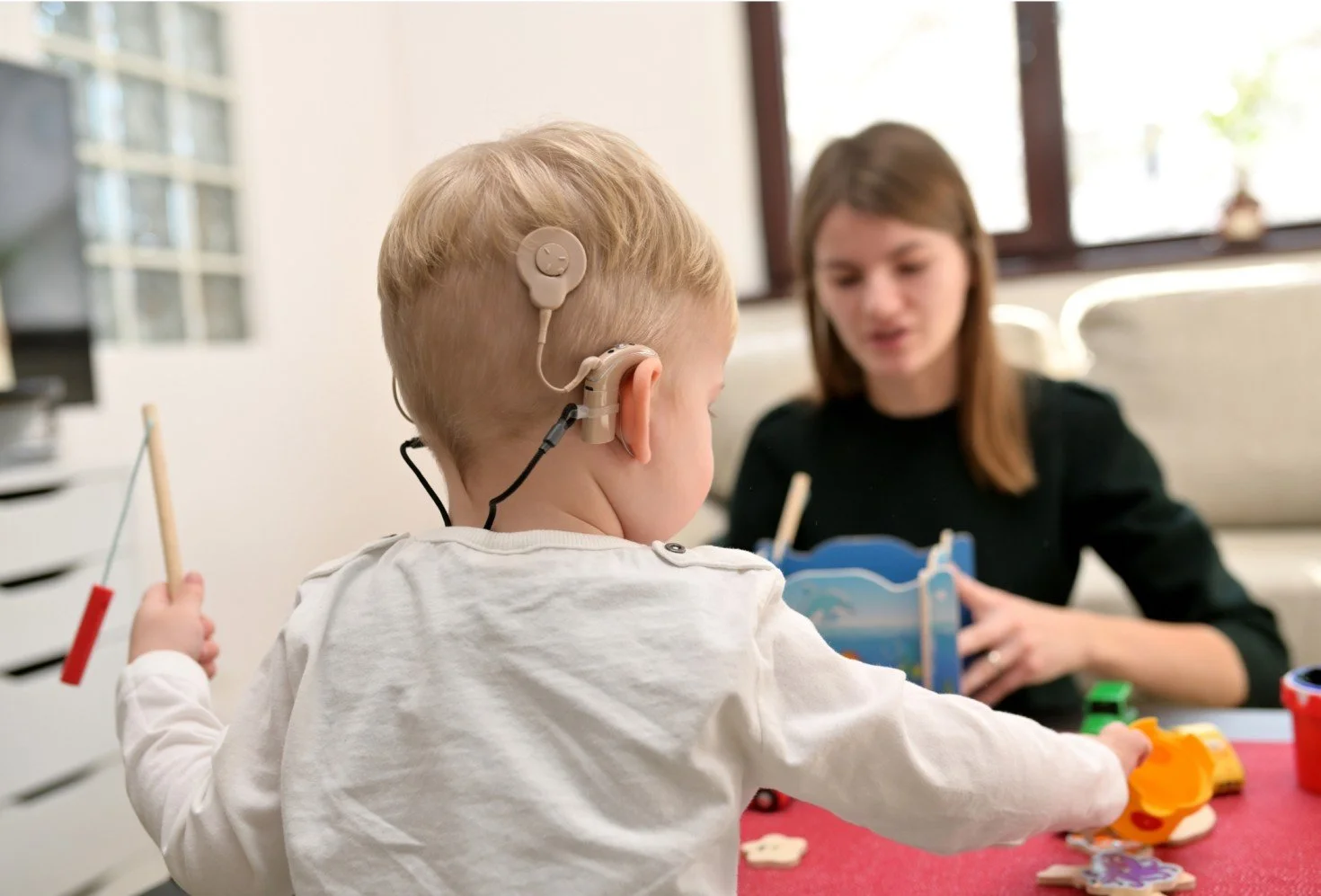
Treatment and Management
There is no cure for genetic hearing loss, but many approaches can improve communication and quality of life:
✔ Hearing aids
Used when there is residual hearing to amplify sound.
✔ Cochlear implants
An option for severe to profound hearing loss when hearing aids are not effective.
✔ Communication strategies
Speech therapy, listening skills training, and captioning support.
✔ Family counseling and support
Helpful for parents and families to understand the condition and plan care.
Early identification and intervention are crucial, especially for children, to support speech and language development.
Final Thoughts
Early detection of genetic hearing loss allows families and clinicians to provide timely support and treatment, improving communication, learning, and quality of life. With the right intervention and care, people with genetic hearing loss can communicate effectively and thrive. If you’re concerned about hearing loss in yourself or a loved one, consult a qualified audiologist for testing and personalized guidance.
References
National Institute on Deafness and Other Communication Disorders — Genetic Hearing Loss OverviewGeneReview — GJB2 (Connexin 26) Hearing LossPendred Syndrome — Genetics Home ReferenceUsher Syndrome — National Organization for Rare DisordersTECTA Gene — OMIMCOCH Gene — OMIMDeafness Variation DatabaseAmerican Speech‑Language‑Hearing Association (ASHA) — Genetic Hearing LossWaardenburg Syndrome — National Organization for Rare Disorders