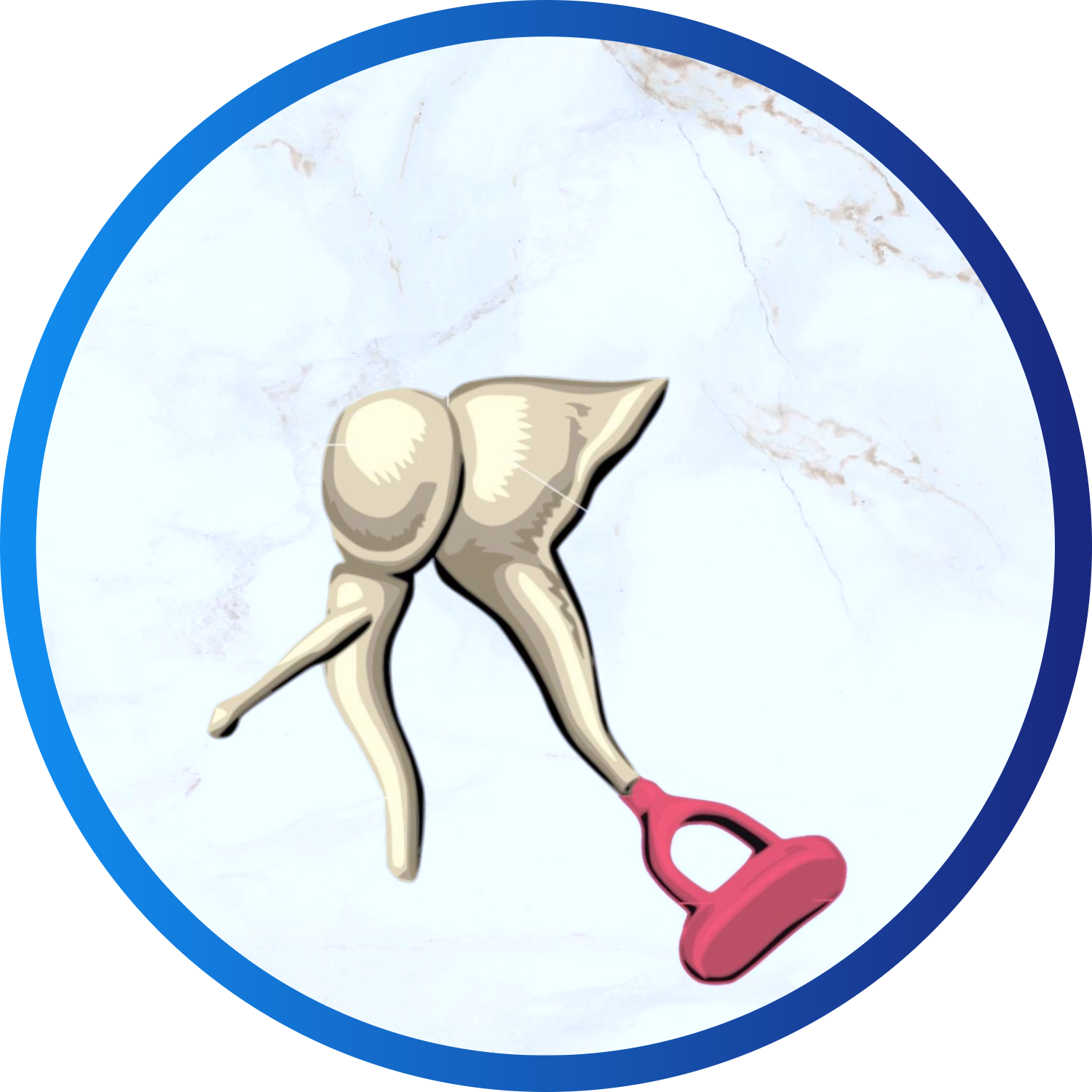
Hearing Loss and Dementia
What You Need to Know
Hearing loss and dementia are two common conditions that many people associate with aging. While one doesn’t directly cause the other, research shows there is a strong connection between untreated hearing loss and an increased risk of cognitive decline and dementia later in life.

How Hearing Loss and Dementia Are Linked
People with hearing loss are more likely to develop dementia, and the risk grows as hearing loss becomes more severe.
Possible reasons include:
Increased brain effort: Struggling to hear uses more mental energy, leaving less for memory and thinking.
Social isolation: Difficulty hearing can make socializing hard, which is a risk factor for dementia.
Brain changes: Some studies suggest hearing loss may alter how certain brain areas work.
Hearing loss doesn’t directly cause dementia, but it’s an important factor that can affect brain health over time.

What the Research Says
Large population studies support the link between hearing loss and dementia risk.
One recent analysis of more than half a million people found that hearing loss was associated with a higher risk of dementia, and that people with hearing loss who used hearing aids had a lower dementia risk than those who did not use aids. (research)
Other research has estimated that addressing hearing loss — especially in mid‑life — could influence a portion of dementia cases overall, because hearing loss is considered a modifiable risk factor: something that might be changed with early detection and intervention. (research)
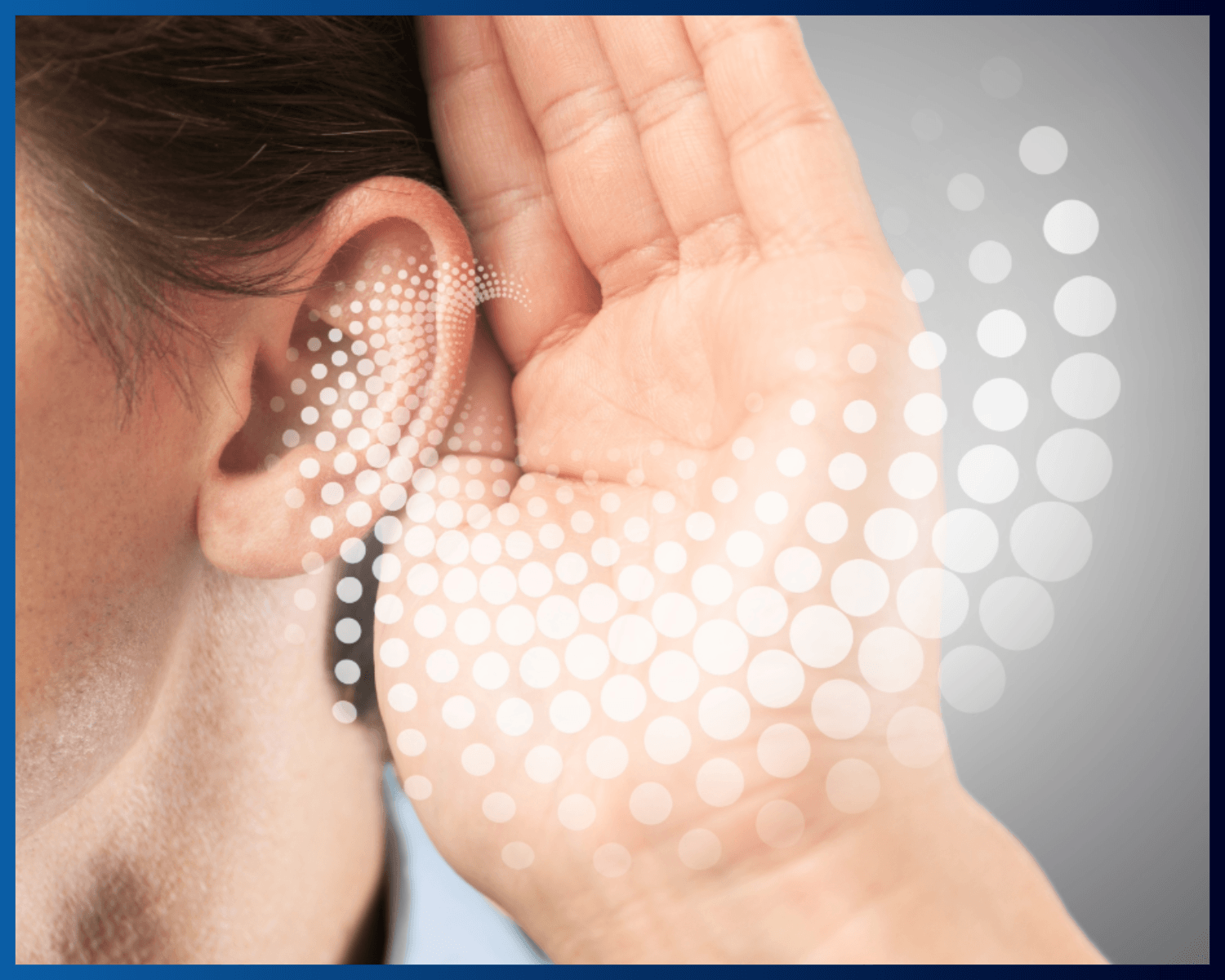
Can Treating Hearing Loss Help Protect Your Brain?
Research increasingly shows that keeping the brain active helps reduce the risk of developing dementia.
Hearing loss can limit auditory stimulation, which may itself contribute to cognitive decline. But an even bigger factor is that moderate to severe hearing loss often leads people to participate less in social activities. Some may feel self-conscious about their hearing, while others may find social events frustrating or unrewarding when they cannot follow conversations.
Social engagement is one of the most effective ways to keep the brain stimulated, as human brains are naturally wired for social interaction. Studies have linked reduced social activity with cognitive decline. This evidence suggests that hearing loss may increase dementia risk not only by limiting direct brain stimulation but also by reducing social interaction, which further decreases mental engagement.
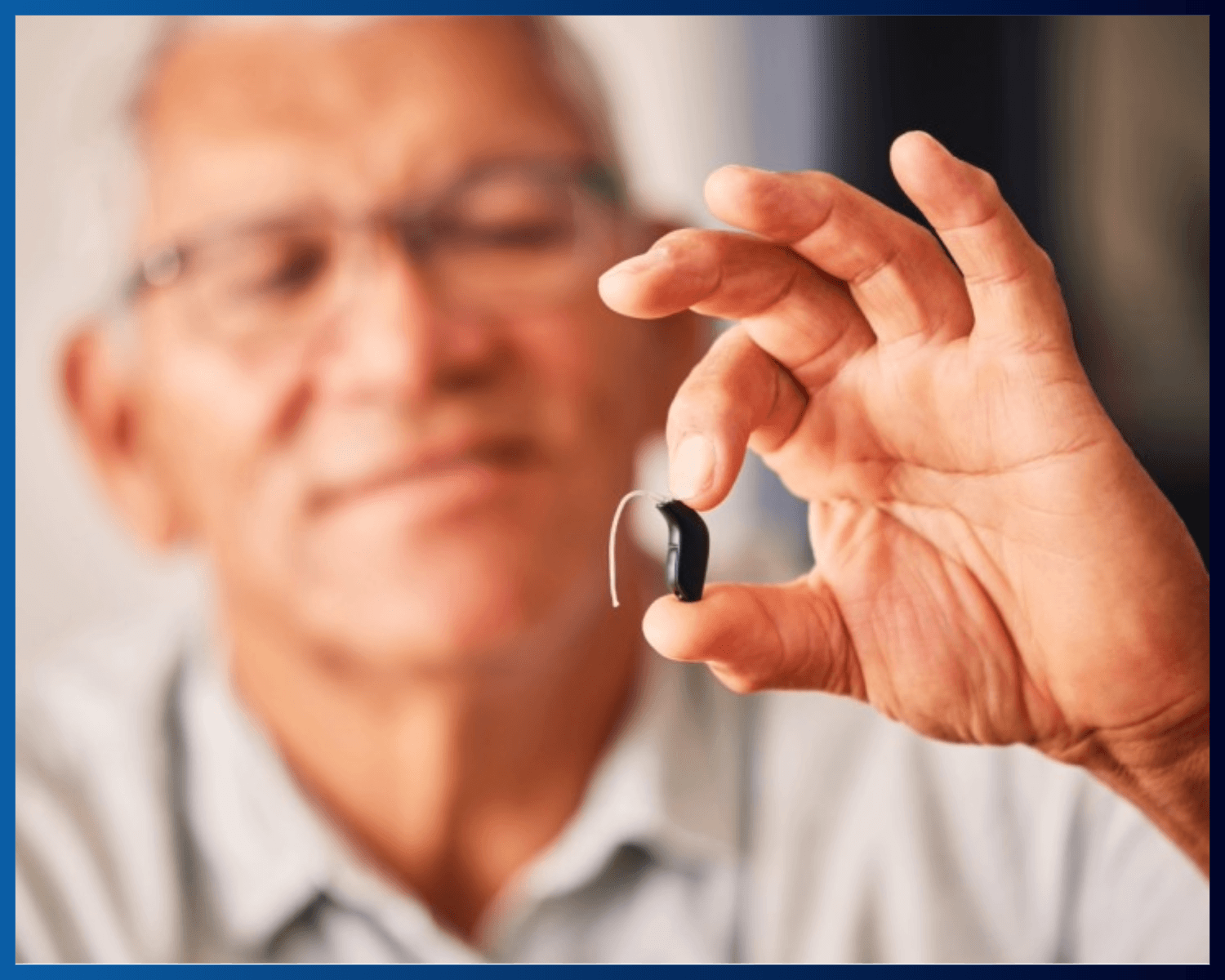
Tips to Protect Hearing and Brain Health
Taking steps to preserve your hearing and overall health may also support cognitive well‑being:
✔ Get regular hearing tests.
Early detection helps you address hearing loss before it becomes severe.
✔ Use hearing aids or other assistive listening devices when recommended.
These tools can reduce listening strain and help keep you engaged in conversations.
✔ Avoid loud noise exposure.
Protect your ears around loud sounds — especially in work or recreational environments.
✔ Stay socially and mentally active.
Engaging with others, learning new skills, and staying connected helps keep your brain stimulated.
✔ Maintain overall health.
Lifestyle habits like regular exercise, healthy diet, blood pressure control, and quitting smoking support both hearing and cognitive health.
Final Thoughts
Hearing loss doesn’t guarantee that someone will develop dementia, but it does appear to be a significant risk factor. The good news is that hearing loss is often detectable and treatable. By protecting your hearing, staying socially active, and seeking care early, you may not only improve your quality of life but also support long‑term brain health.
If you’ve noticed changes in your hearing or are concerned about cognitive changes, schedule a hearing evaluation with an audiologist — sooner is usually better when it comes to protecting both your hearing and your brain.
At Earsonic, we are dedicated to delivering the highest standard of audiology care. Your hearing health is our top priority.
We offer complimentary hearing screenings for individuals over 60, helping you stay proactive in protecting both your ears and your brain. If you notice any signs of hearing loss, don’t hesitate to reach out — we’re here to help.

-
![A middle-aged man with a beard wearing headphones, smiling as he listens to something in a recording studio.]()
Ménière’s disease
Explore the impact of Ménière’s disease on your hearing and balance, and learn about ways to manage symptoms and maintain ear health.
-
![]()
Tinnitus
Find out how tinnitus influences your hearing and daily routines, and explore practical ways to reduce symptoms and maintain healthy hearing.
-
![]()
Genetic hearing loss
Discover what causes genetic hearing loss, the most common genes involved, and how early detection can help protect your hearing health.
-
![Close-up of a hand holding a small orange, rubbery, human ear model against a white background.]()
Hearing loss & Dementia
Explore the connection between hearing loss and dementia, and discover how protecting your hearing may support brain health and cognitive function.
-
![Smiling senior woman with gray hair, wearing a turquoise shirt, cupping her hand to her ear as if listening.]()
Otosclerosis
Otosclerosis can cause gradual hearing loss. Learn more about the symptoms, causes, and treatment options to preserve and improve your hearing.