
Otosclerosis

Learn about the signs of otosclerosis and when a hearing evaluation may be helpful.

What Is Otosclerosis?
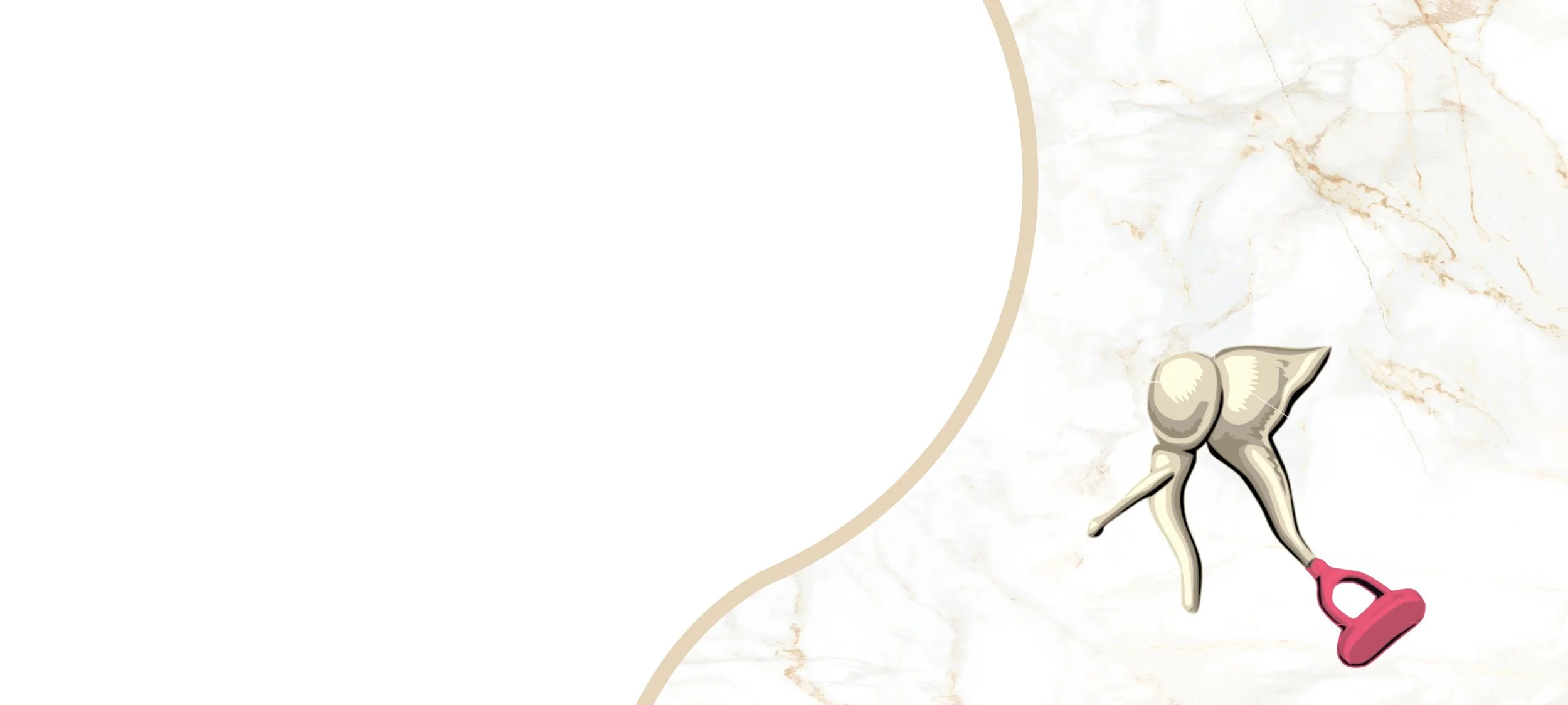
Otosclerosis is a condition where abnormal bone growth occurs in the middle ear, particularly around the stapes bone — one of the three tiny bones responsible for transmitting sound from the outer ear to the inner ear.
Normally, the stapes bone moves freely to conduct sound. In otosclerosis, it becomes fixed or "stuck", preventing sound from being efficiently transferred — leading to conductive hearing loss.

Symptoms of Otosclerosis
The condition often develops gradually and can be easy to miss early on.
Common symptoms include:
Gradual hearing loss, usually in one ear at first
Difficulty hearing low-pitched sounds or whispers
Tinnitus (ringing or buzzing in the ears)
Hearing your own voice more loudly (autophony)
In rare cases, balance issues or vertigo
Otosclerosis typically begins in the 20s to 40s and is more common in women, especially during or after pregnancy due to hormonal influences.
What Causes Otosclerosis?
The exact cause isn't fully known, but several factors may contribute:
Genetics: It often runs in families
Hormones: Symptoms can worsen during pregnancy
Viruses: Some research suggests a link to measles infection
Autoimmune factors: Your immune system may play a role

Diagnosing Otosclerosis
Please note that otosclerosis is a medical condition that should be diagnosed by an ear, nose, and throat (ENT) doctor.
At Earsonic, our audiologists will perform the necessary examinations to assist the ENT in making a diagnosis. We will also inform you if there is a possibility that you may have otosclerosis, but please be aware that we cannot confirm the presence of this condition.
Audiometry (hearing test): Measures how well you hear different sounds (Abnormal with Otosclerosis)
Tympanometry: Tests how your eardrum and middle ear respond to sound (Normal with Otosclerosis)
Acoustic Reflex: Evaluates the movement of the stapes bone, (typically reduced or absent in cases of otosclerosis).
The hallmark sign? Conductive hearing loss with a normal-appearing eardrum, and a specific "notch" on the audiogram called Carhart’s notch.
Treatment Options
There’s no medication to reverse otosclerosis, but there are effective ways to manage it:
1. Hearing Aids
For many patients, hearing aids offer excellent results. They amplify sound and bypass the stiffened stapes, restoring clarity and reducing effort.
2. Surgery (Stapedectomy or Stapedotomy)
A surgical procedure can replace the immobile stapes bone with a prosthetic to restore sound conduction.
Can be done under local or general anesthesia, High success rates, Fast recovery time.
At Earsonic, we work closely with trusted ENT surgeons if surgery is the right path for you.
3. Monitoring
If symptoms are mild, regular monitoring may be recommended until intervention is needed.

When to See an Audiologist at Earsonic
If you notice gradual hearing loss, difficulty following conversations, or a persistent ringing in your ears, these could be signs of otosclerosis, especially if there’s a family history of otosclerosis. Consulting an audiologist can help identify the underlying cause, assess the extent of hearing loss, and guide you through appropriate management options. Early evaluation is important to understand how the condition may progress and which interventions—ranging from monitoring to hearing aids—might be suitable.
Living With Otosclerosis
Otosclerosis can be emotionally frustrating, especially for younger adults adjusting to hearing loss. But with today’s technology and treatment options, most patients manage it very successfully.
With the right support, hearing care, and guidance, you can maintain your lifestyle, relationships, and confidence — without missing a beat.